Ways to Foster Intergenerational Connections in Communities
Building strong intergenerational connections within communities can significantly enhance social cohesion and cultural engagement. This article explores practical strategies for fostering these valuable relationships, grounded in research and expert recommendations.
Understanding Intergenerational Connections
Intergenerational connections refer to relationships and interactions that occur between different age groups, often bridging the gap between the young and the elderly. According to research conducted by the Generations United organization, fostering these connections can improve social well-being and mental health across all ages. Experts suggest that such relationships can lead to enhanced empathy, reduced isolation, and a greater sense of community belonging.

"Intergenerational programs not only benefit participants but also strengthen community ties and enhance cultural richness." - Generations United
Practical Strategies for Fostering Connections
Here are some effective methods to encourage intergenerational connections in your community:
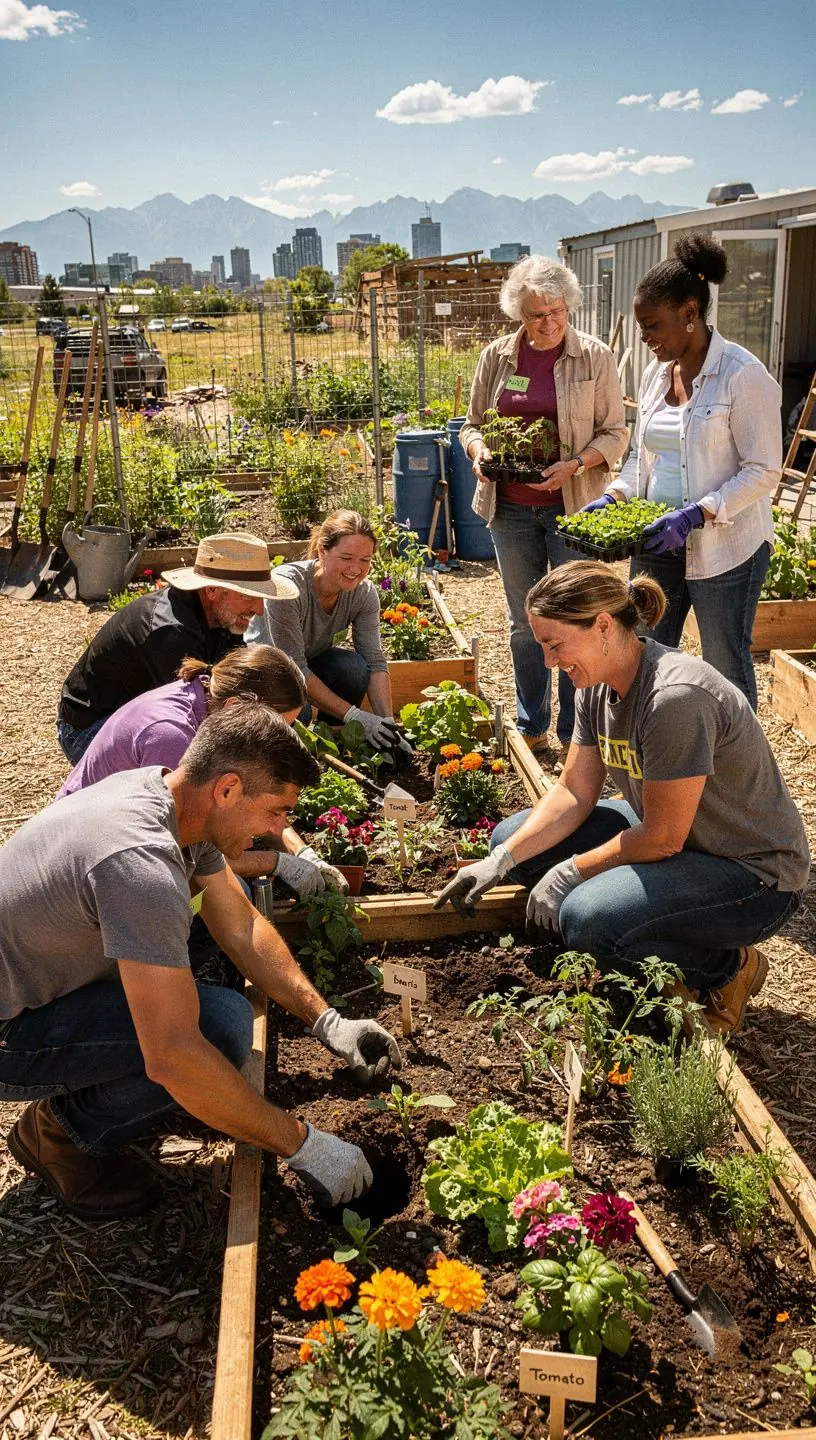
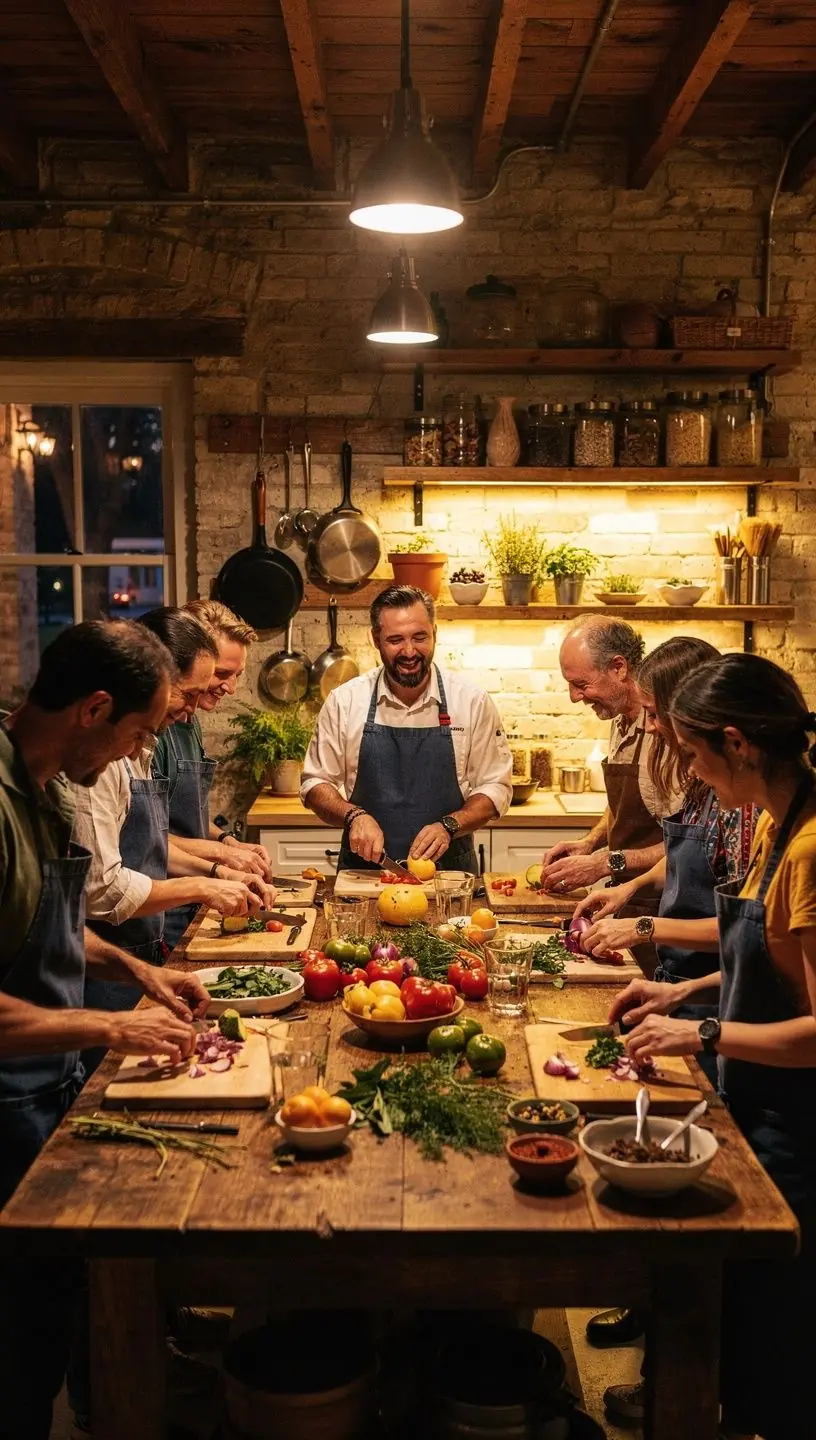
- Organize Community Events: Host events that cater to all ages, such as festivals, workshops, or volunteer opportunities. Research shows that inclusive activities can lead to increased interaction and understanding among different age groups.
- Create Shared Spaces: Develop community spaces like parks or libraries that encourage participation from all generations. These spaces work best when designed for accessibility and comfort, inviting interactions through casual gatherings or organized activities.
- Engage Local Schools and Senior Centers: Collaboration between schools and senior centers can yield mutual benefits. Programs that encourage students to engage with seniors through storytelling, arts projects, or technology training often result in improved communication skills and reduced age-related stereotypes.
Challenges and Considerations
While fostering intergenerational connections is beneficial, it often requires careful planning and dedication. Here are some considerations:
- Time Commitment: Establishing strong intergenerational bonds typically takes time and repeated interactions. Many initiatives report better outcomes after several months of consistent engagement.
- Effort and Resources: Initiatives require significant effort from community leaders and volunteers. This may involve training facilitators to manage programs effectively, which can be resource-intensive.
- Cultural Sensitivity: It’s crucial to acknowledge that different generations may have varying cultural backgrounds and experiences. Programs should be inclusive and sensitive to these differences to foster genuine connections.
Conclusion
Intergenerational connections are vital for cultivating vibrant communities. By implementing inclusive strategies and understanding the dynamics involved, community leaders can create environments where relationships flourish. Remember, while the process may require time and effort, the benefits of a united community are profound—enhancing not only individual well-being but also the collective strength of society.
Learn More