How to Organize a Local Cultural Festival
Organizing a local cultural festival can be a rewarding experience that fosters community spirit and celebrates diverse traditions. However, it requires careful planning and execution. In this article, we’ll explore the essential steps to successfully plan and execute a cultural festival in your locality.
Understanding the Basics
To successfully organize a cultural festival, start by understanding the fundamental components that contribute to its success. According to studies, festivals that highlight local culture and community engagement often draw larger crowds and foster a sense of belonging among participants. This works because people are typically more inclined to attend events that reflect their identity and interests.
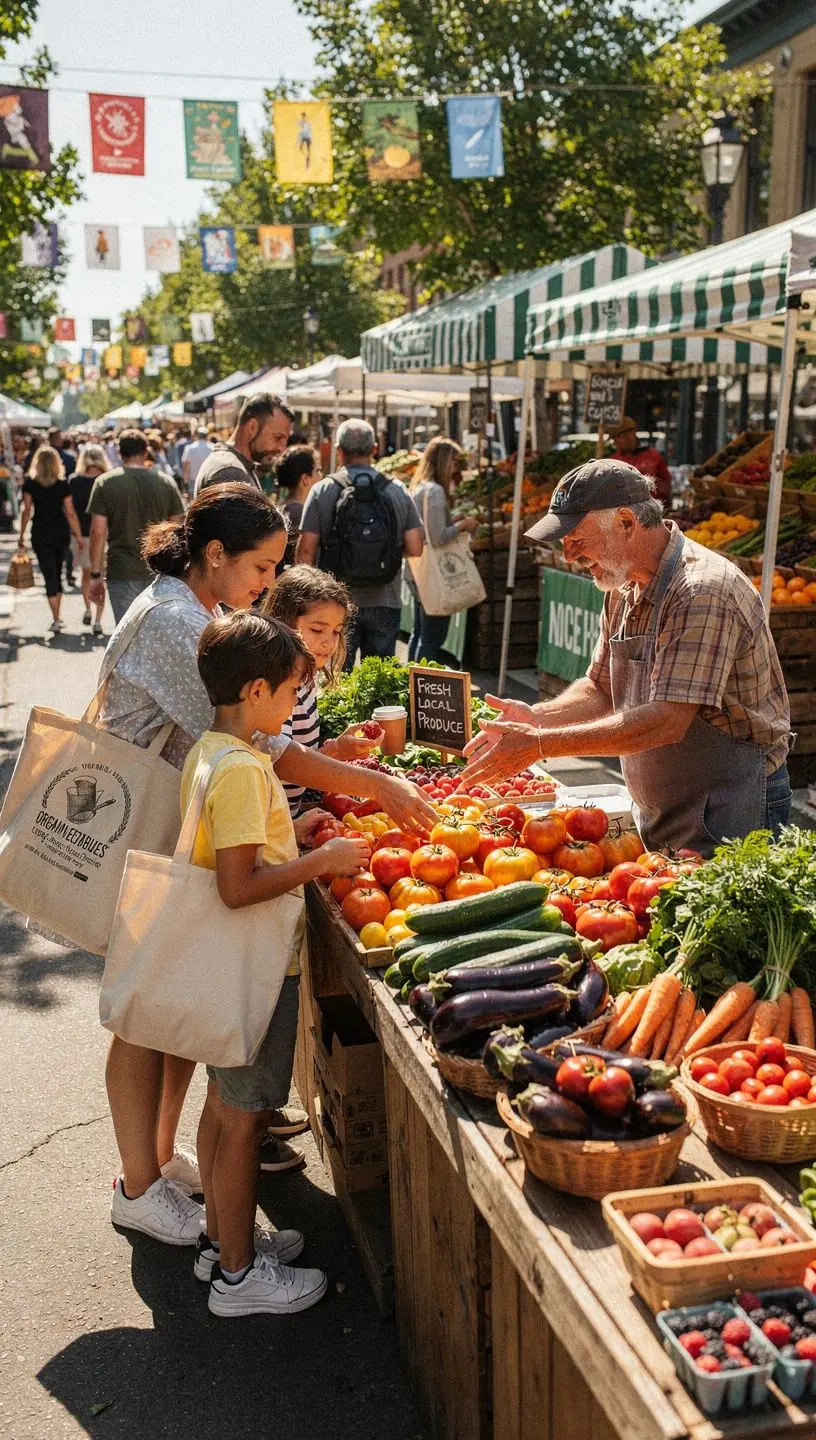
"Community festivals are vital for promoting cultural heritage and engaging local populations," says cultural expert Dr. Lisa Hartman.
Step-by-Step Process for Organizing Your Festival
The process of organizing a cultural festival typically involves several key steps:
- Define Your Vision: Start by outlining the goals for your festival. What cultural aspects do you want to highlight? This could include local traditions, arts, food, or music. Research indicates that clearly defined objectives can improve engagement and participation.
- Form a Planning Committee: Gather a group of enthusiastic volunteers or committee members. Experts recommend having a diverse team that represents various segments of the community to ensure a well-rounded approach. This may require a time commitment of several weeks to months, depending on the festival size.
- Secure Funding and Sponsorship: Most festivals require funding to cover costs such as permits, facilities, and marketing. Consider seeking local business sponsorships or applying for grants. Many users report that community partnerships can significantly ease financial burdens.
- Select a Venue and Date: Choose a location that is accessible and aligns with the festival's theme. Research shows that festivals held in public spaces tend to attract more visitors. Additionally, picking a date that doesn’t conflict with other local events is critical for maximizing attendance.
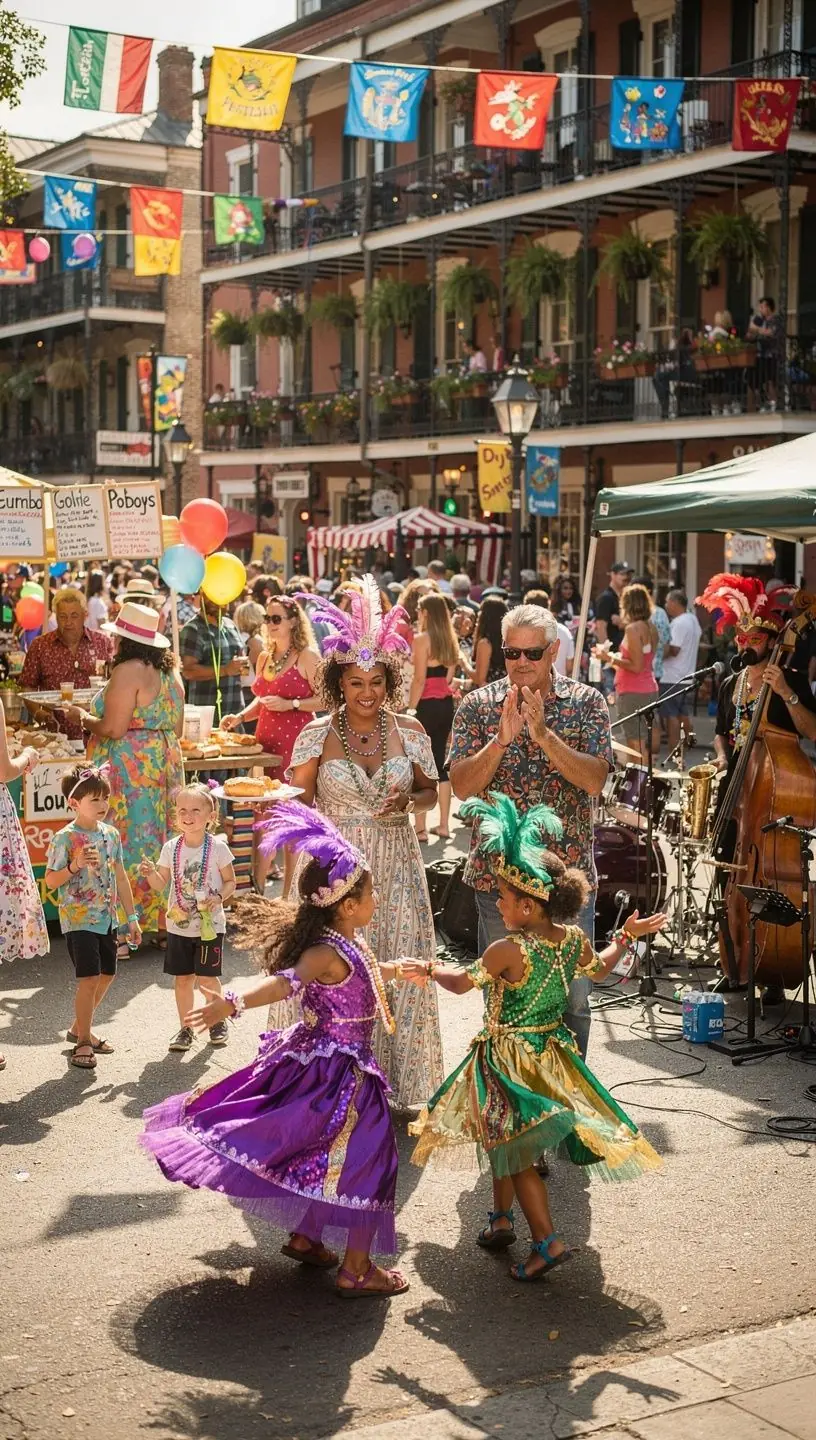
- Plan Activities and Entertainment: Offer a mix of activities that cater to diverse audiences. This can include workshops, performances, and food tastings. According to industry standards, festivals with varied programs tend to keep visitors engaged longer.
- Promote Your Festival: Use social media, local newspapers, and community boards to spread the word. Effective promotion typically requires ongoing effort leading up to the event, often starting at least 6-8 weeks in advance.
Acknowledging Limitations
Organizing a cultural festival is a significant undertaking. It often demands considerable time and effort, typically spanning several months. Be prepared for potential challenges, including weather-related issues or lower-than-expected attendance. Experts suggest having contingency plans in place to address these uncertainties.
Engaging the Community
Engagement is crucial for the success of your festival. Community involvement can enhance attendance and enrich the festival experience. Many users find that outreach efforts, such as community meetings, help gauge interest and gather input on festival offerings. This can foster a sense of ownership among participants and lead to a more successful event.
Conclusion
Organizing a local cultural festival can be an enriching experience that benefits the entire community. By following a structured approach, defining clear objectives, and engaging local participants, you can create an event that celebrates cultural diversity and fosters social engagement. Remember that while challenges may arise, the effort invested in planning can lead to memorable experiences for all involved.
Learn More