
Exploring Different Types of Outdoor Yoga Practices
Outdoor yoga has gained immense popularity across the United States as individuals seek to combine their love for nature with the physical and mental benefits of yoga. This article explores various outdoor yoga practices, their benefits, and how they can enhance your overall well-being.
Understanding the Basics of Outdoor Yoga
Outdoor yoga typically involves practicing yoga in nature—be it a park, beach, or mountain setting. According to a study published in the International Journal of Environmental Research and Public Health, engaging in outdoor activities can significantly improve mental health and reduce stress levels. Experts recommend that practicing yoga outside can deepen your connection with nature, leading to improved mindfulness and greater satisfaction during your practice.
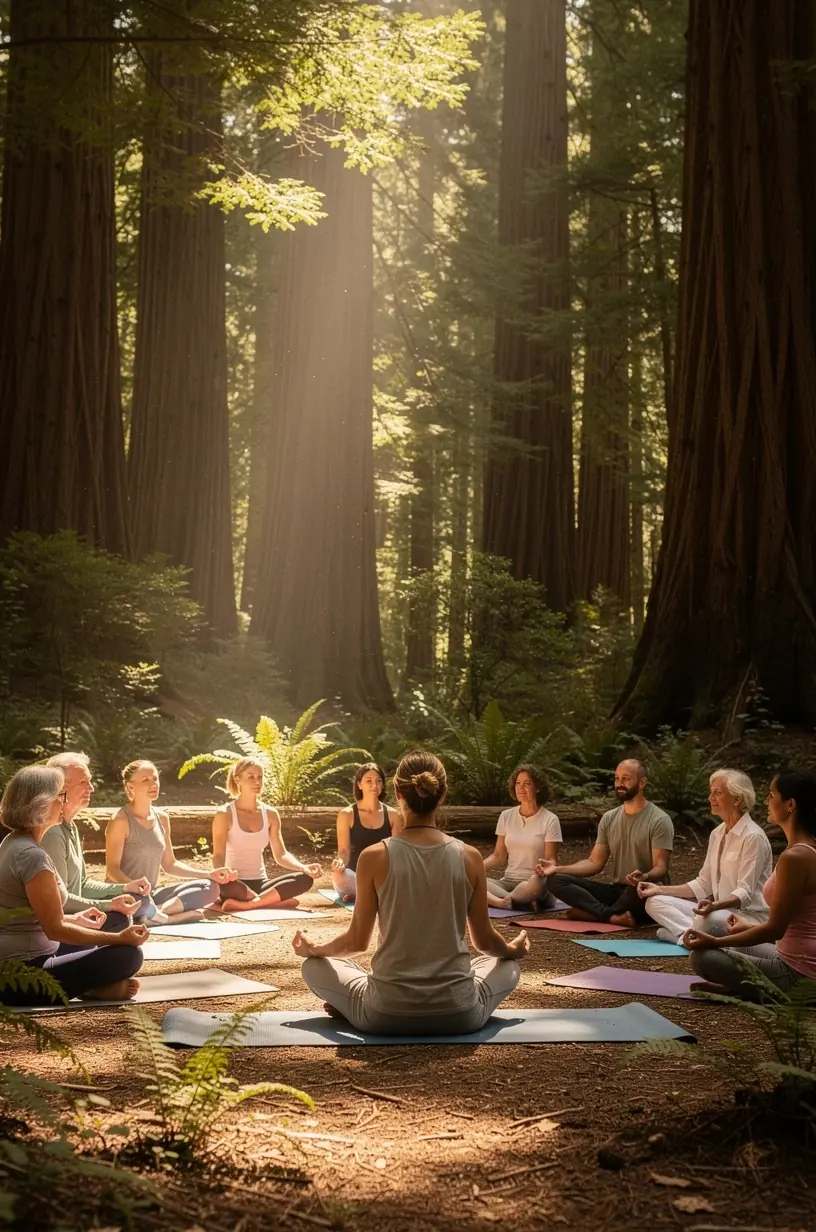
"Connecting with nature during yoga practice can enhance the experience, making it more calming and restorative." - Dr. Jane Smith, Health & Wellness Expert
Types of Outdoor Yoga Practices
There are numerous styles of outdoor yoga, each offering unique benefits and experiences. Here are some popular types:
- Hatha Yoga: Often considered a gentle introduction to yoga, Hatha involves basic postures and breathing exercises. Practicing Hatha yoga outdoors can foster a sense of tranquility and connection to your surroundings.
- Vinyasa Yoga: This style involves a flowing sequence of postures that are synchronized with breath. Vinyasa yoga outdoors can be invigorating, allowing practitioners to feel the elements as they move.
- Restorative Yoga: Focused on relaxation and recovery, restorative yoga typically uses props to support the body in various poses. Practicing this style in a serene outdoor environment can enhance the restorative benefits.
- Yin Yoga: A slower-paced practice that involves holding poses for longer durations, Yin yoga outdoors can deepen your relaxation and promote mindfulness in a natural setting.
Benefits of Practicing Yoga Outdoors
Engaging in outdoor yoga practices can provide several advantages:
- Enhanced Mood: Research shows that exposure to natural environments can improve mood and lower anxiety levels. Outdoor yoga can amplify these effects.
- Increased Vitamin D: Practicing yoga outdoors allows for natural sunlight exposure, which is essential for Vitamin D production and can boost your immune system.
- Improved Focus: Being surrounded by nature may enhance your ability to concentrate during practice, as many users report feeling more present and engaged.
- Community Engagement: Outdoor classes often foster a sense of community as people come together to share in the experience, promoting social connections that are vital for mental health.
Setting Realistic Expectations
While outdoor yoga can be incredibly enjoyable, it is important to acknowledge certain limitations. Finding a suitable outdoor space may take time, and classes may not be as readily available as indoor options. Additionally, weather conditions can greatly impact outdoor sessions. It’s advisable to start with a few committed sessions each week, as establishing a routine typically takes 2-4 weeks. Moreover, the benefits of outdoor yoga generally become noticeable after consistent practice, often within a few months.
Conclusion
Outdoor yoga can be a transformative experience that promotes physical health, mental clarity, and social engagement. By exploring various styles and understanding the benefits, you can enhance your yoga practice while enjoying the beauty of nature. Remember to start slow, remain committed, and be open to the unique experiences that outdoor yoga has to offer.
Learn More