How to Create a Community Art Project
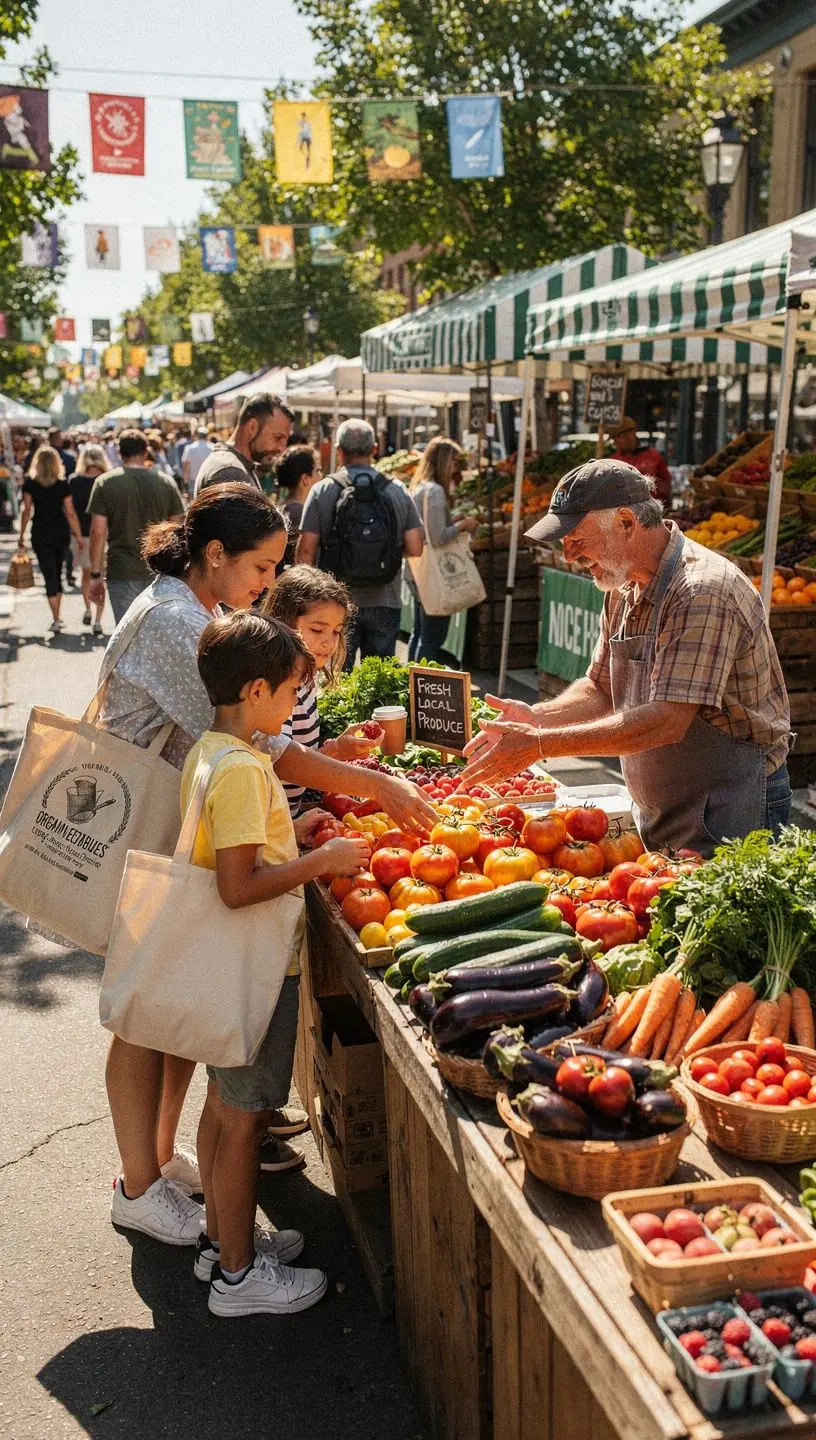
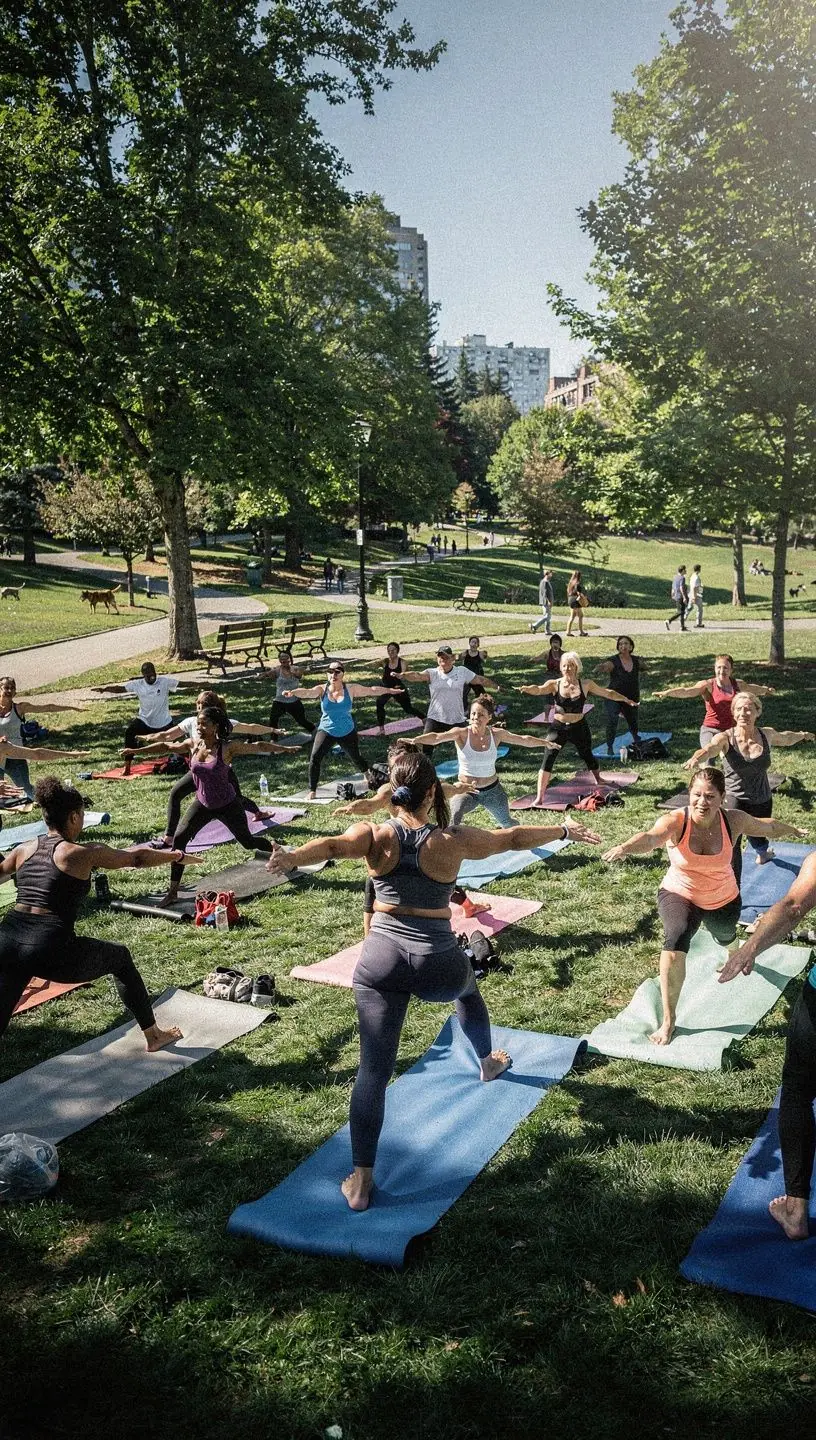
Community art projects can foster social engagement, enhance cultural participation, and promote a sense of belonging. In this article, we’ll explore the essential steps and considerations for launching a successful community art initiative. Engaging local residents not only enriches the project but also builds a stronger community.
Understanding the Importance of Community Art Projects
Community art projects serve as a platform for individuals to express their creativity and share their stories. According to research from the National Endowment for the Arts, such projects can significantly enhance community cohesion and individual well-being. They typically involve collaborative efforts that can lead to shared ownership and pride in the created work.
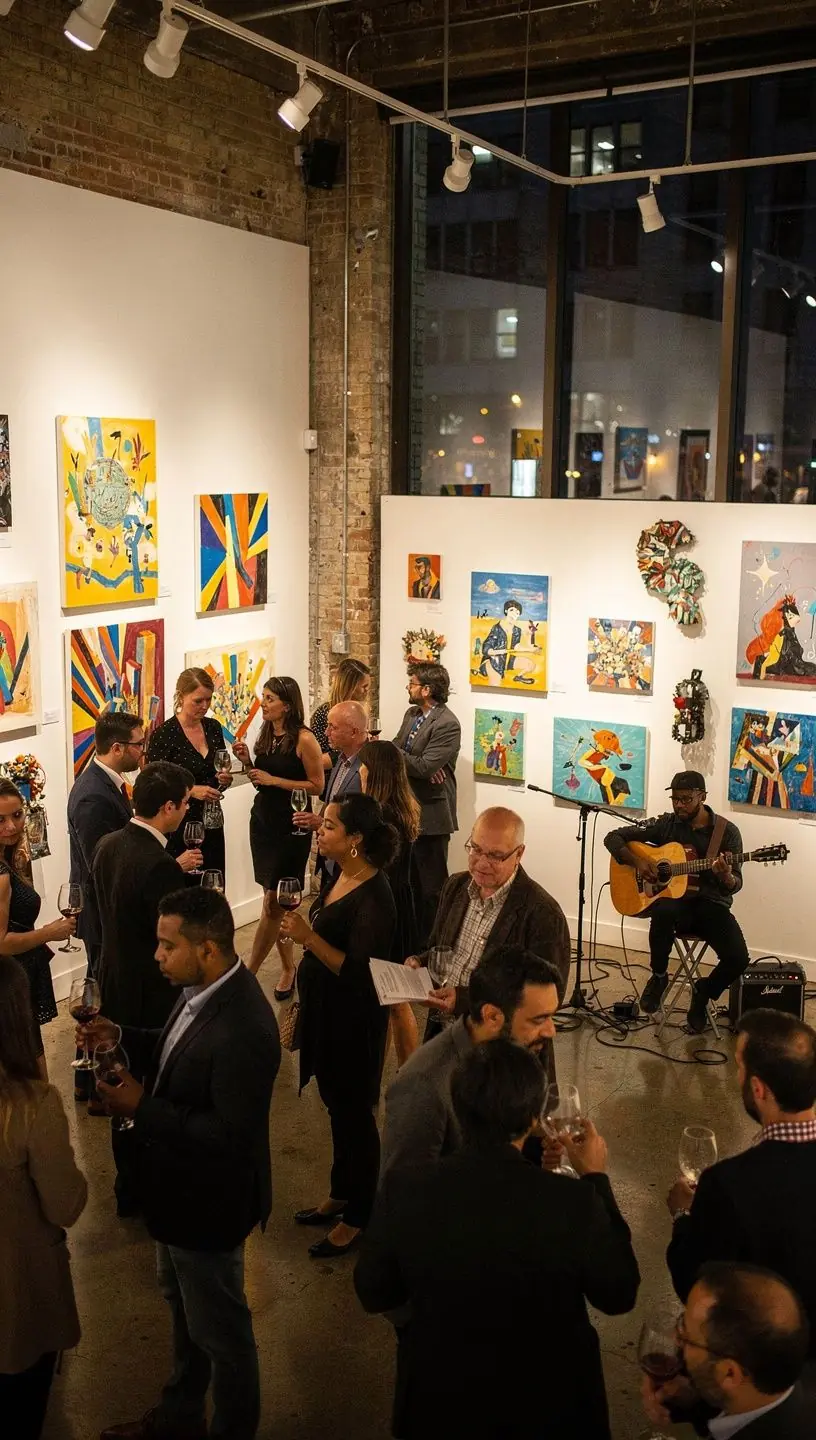
"Community engagement through art can lead to improved mental health outcomes and increased social connections," according to art therapy experts.
Steps to Launching Your Community Art Project
Creating a community art project involves several crucial steps:
- Define Your Vision: Begin by identifying the purpose of your project. What message do you want to convey, and how will it reflect the community’s identity?
- Engage Your Community: Host initial meetings to gather input and ideas from community members. This helps ensure the project resonates with the community and meets their interests.
- Secure Funding: Many users report success with crowdfunding platforms or local grants. Research local art councils or organizations that might support your initiative.
- Choose a Location: The project’s visibility can impact community engagement. Select a location that is accessible and meaningful to the community.
- Involve Local Artists: Collaborating with local artists can bring expertise to the project and help foster community pride. This approach is consistent with practices recommended by art educators.
- Plan Your Timeline: Realistic timelines are essential. Projects typically take anywhere from a few weeks to several months to complete, depending on their scale and complexity.
- Implement and Promote: Launch the project with a community event. Promote it through local media and social networks to attract attendees and participants.
- Evaluate and Celebrate: After completion, gather feedback from participants and celebrate the efforts with an unveiling event or exhibition.
Challenges to Anticipate
While community art projects can be rewarding, they may come with challenges. Time commitment is one significant factor; many projects require a dedicated effort over several weeks or months. Community involvement can also vary, and some residents may be hesitant to participate, which is why fostering an inclusive environment from the start is crucial.
Furthermore, logistical challenges, such as securing permits or funding, are common. According to industry experts, having a clear plan and a flexible approach can help navigate these issues effectively.
Conclusion
Create a community art project that reflects the heart of your neighborhood by following these steps. By engaging local residents, you can create an initiative that not only beautifies the environment but also enhances social ties and cultural participation. Remember to set realistic expectations regarding timelines and the level of community engagement needed for a successful project.
Learn More