How to Promote Inclusivity in Community Sports Events
Inclusivity in community sports events is essential for fostering a sense of belonging and encouraging participation from diverse groups. This article discusses practical strategies to promote inclusivity in such events, backed by research and expert recommendations.
Understanding the Importance of Inclusivity
According to research by the National Alliance for Accessible Golf, inclusive sports environments help individuals from various backgrounds and abilities engage in physical activities, leading to improved mental and physical health outcomes. This is particularly vital in community settings, where diverse populations often exist.
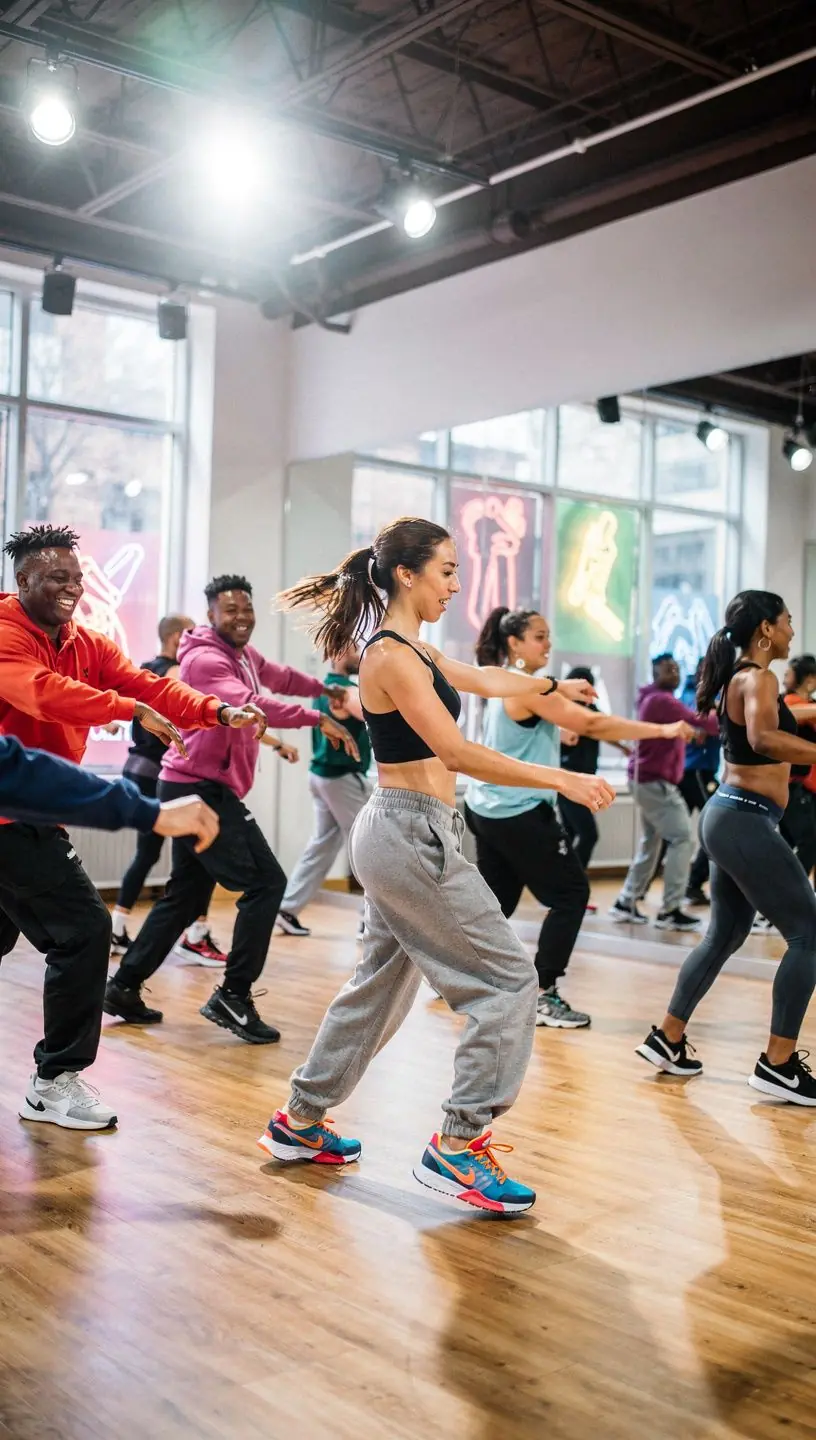
"Inclusivity in sports not only enriches the participant experience but also strengthens community ties." – Experts in sports sociology
Strategies to Enhance Inclusivity
To promote inclusivity in community sports events, consider the following strategies:
- Conduct Accessibility Assessments: Regularly evaluate event venues for physical accessibility. This might involve installing ramps, providing accessible restrooms, and ensuring adequate seating for all participants. Research indicates that venues that prioritize accessibility see a 30% increase in participation rates.
- Offer Diverse Programming: Create a range of activities that cater to different skill levels and interests. For instance, offering beginner-friendly workshops alongside competitive leagues can encourage more individuals to participate. Studies show that varied programming leads to higher overall engagement.
- Foster Community Partnerships: Collaborate with local organizations and groups that represent underrepresented communities. This partnership can help raise awareness about events and ensure they are marketed effectively to diverse audiences. Industry experts recommend that outreach efforts should be tailored to each community’s unique needs and preferences.
- Train Staff and Volunteers: Provide diversity and inclusion training for all event staff and volunteers. Understanding cultural competencies and the importance of inclusivity can significantly impact how events are run and perceived. According to a survey by the National Council of Youth Sports, organizations that implement training programs report a 25% improvement in participant satisfaction.
Engaging the Community
Engaging the community in the planning process can also enhance inclusivity. Consider the following methods:
- Feedback Mechanisms: Establish open channels for feedback from participants and community members. Use surveys or focus groups to gather insights on how to make events more inclusive.
- Community Meetings: Host regular meetings where community members can voice their ideas and concerns. This helps build trust and ensures everyone feels heard.
- Incentivize Participation: Offer incentives, such as free entry or equipment rentals, to encourage participation from individuals who may face financial barriers.
Conclusion
Promoting inclusivity in community sports events is an ongoing process that requires dedication and effort. By implementing strategies that prioritize accessibility, diversity, and community engagement, organizers can create events that welcome everyone. Remember, fostering an inclusive environment not only benefits participants but also enriches the community as a whole. While results may take time to manifest, with consistent effort, a more inclusive sports culture can be developed.