Exploring the Benefits of Mindfulness in Active Leisure
In today's fast-paced world, finding moments of mindfulness during our active leisure time can significantly enhance both our physical and mental well-being. This article explores how integrating mindfulness into leisure activities can lead to numerous benefits, supported by research and expert insights.
Understanding Mindfulness
Mindfulness is typically defined as the practice of being fully present in the moment, observing thoughts and feelings without judgement. According to experts, engaging in mindfulness can help reduce stress, improve focus, and enhance emotional regulation. The principle behind this is that by consciously redirecting our attention to the present, we can break the cycle of rumination that often contributes to anxiety and depression.

"Mindfulness is not just a relaxation technique; it’s a way of living that fosters awareness and compassion towards oneself and others." - Dr. Jon Kabat-Zinn, Mindfulness Expert
Benefits of Mindfulness in Active Leisure
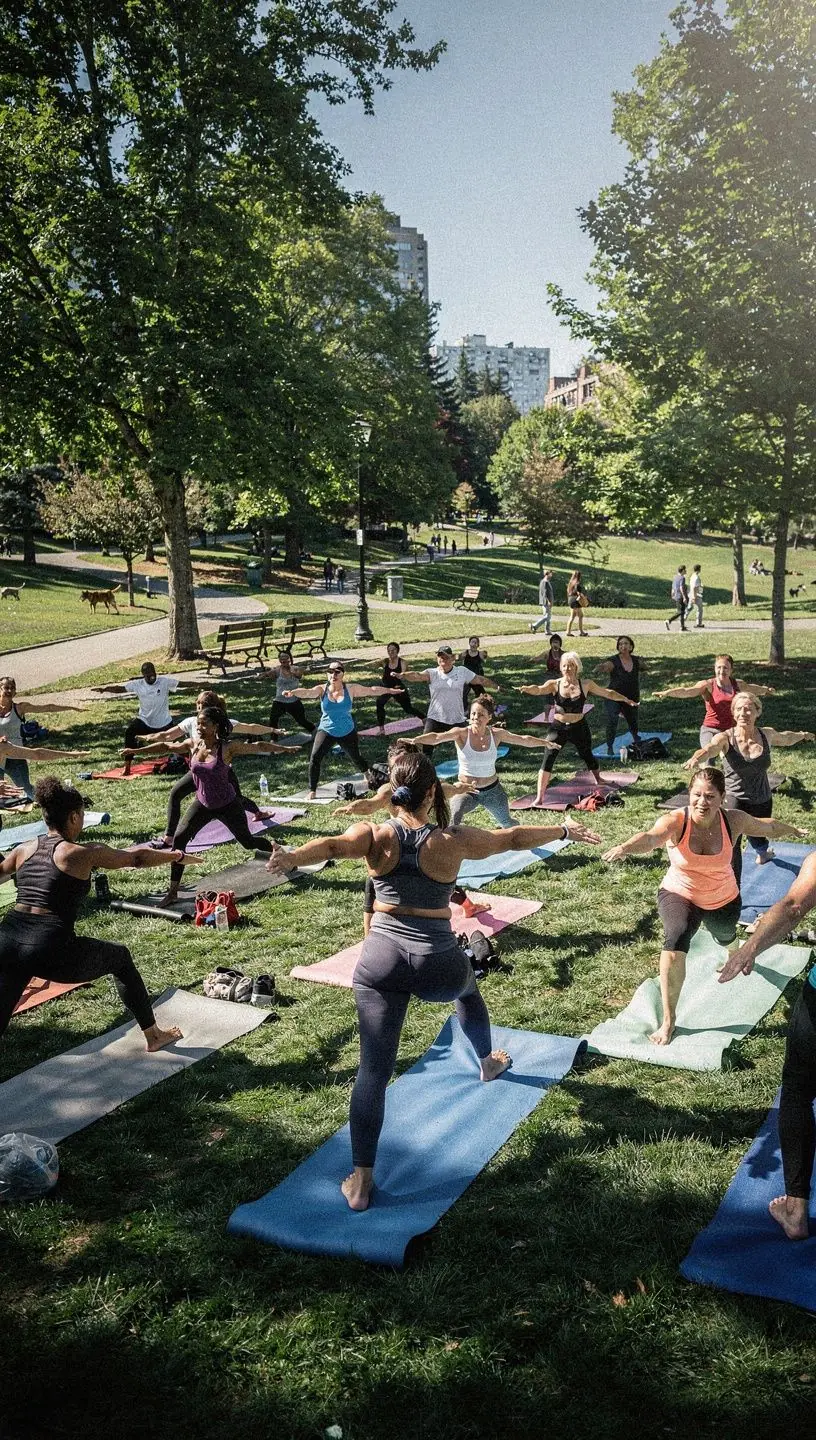
Incorporating mindfulness into active leisure activities, such as hiking, yoga, or even casual sports, can provide several benefits:
- Enhanced Enjoyment: Many users report that practicing mindfulness during activities helps them appreciate their surroundings and the experience more deeply.
- Improved Focus: Research indicates that mindfulness can lead to improved concentration and attention, which can enhance performance in sports and physical activities.
- Stress Reduction: Engaging mindfully in leisure activities has been shown to lower cortisol levels, helping to alleviate stress and promote relaxation.
Practical Application of Mindfulness
Implementing mindfulness during leisure activities typically involves a few key strategies:
- Set Intentions: Before beginning an activity, take a moment to set a clear intention for your practice, such as focusing on the physical sensations of movement or the sounds of nature.
- Use Breath Awareness: During your activity, periodically bring attention to your breath. This can help anchor you in the present moment, especially when distractions arise.
- Engage the Senses: Actively observe your surroundings using all five senses. This could mean feeling the texture of the ground, noticing the colors around you, or listening to the sounds of your environment.
It’s important to note that integrating mindfulness into your leisure routine may require practice and patience. Many individuals find that consistent effort over time yields the best results, typically within a few weeks to months.
Challenges and Considerations
While incorporating mindfulness can be beneficial, it may not be ideal for everyone. Some individuals might find it challenging to stay present due to distractions or personal circumstances. Studies suggest that developing mindfulness as a habit often involves a learning curve and requires dedication. Additionally, it works best in environments that are conducive to relaxation and focus.
Conclusion
Mindfulness can be a powerful addition to your active leisure routine, enhancing both your enjoyment and well-being. By approaching your leisure activities with intention and presence, you can experience greater stress relief, improved focus, and a deeper connection to your surroundings. Remember, the journey into mindfulness is personal and may take time; however, the potential benefits make it a rewarding endeavor worth pursuing.