
The Role of Technology in Enhancing Cultural Experiences
As technology continues to evolve, its integration into cultural experiences is becoming increasingly prominent. This trend is reshaping how we engage with art, heritage, and community events across the United States. In this article, we explore how technology enhances cultural participation while providing insights into practical applications.
Understanding the Basics
Technology has the potential to significantly enhance cultural experiences by making them more accessible and interactive. According to research conducted by the National Endowment for the Arts, up to 60% of individuals report that digital tools have increased their interest in cultural events. This underscores the importance of understanding how technology can facilitate greater engagement.
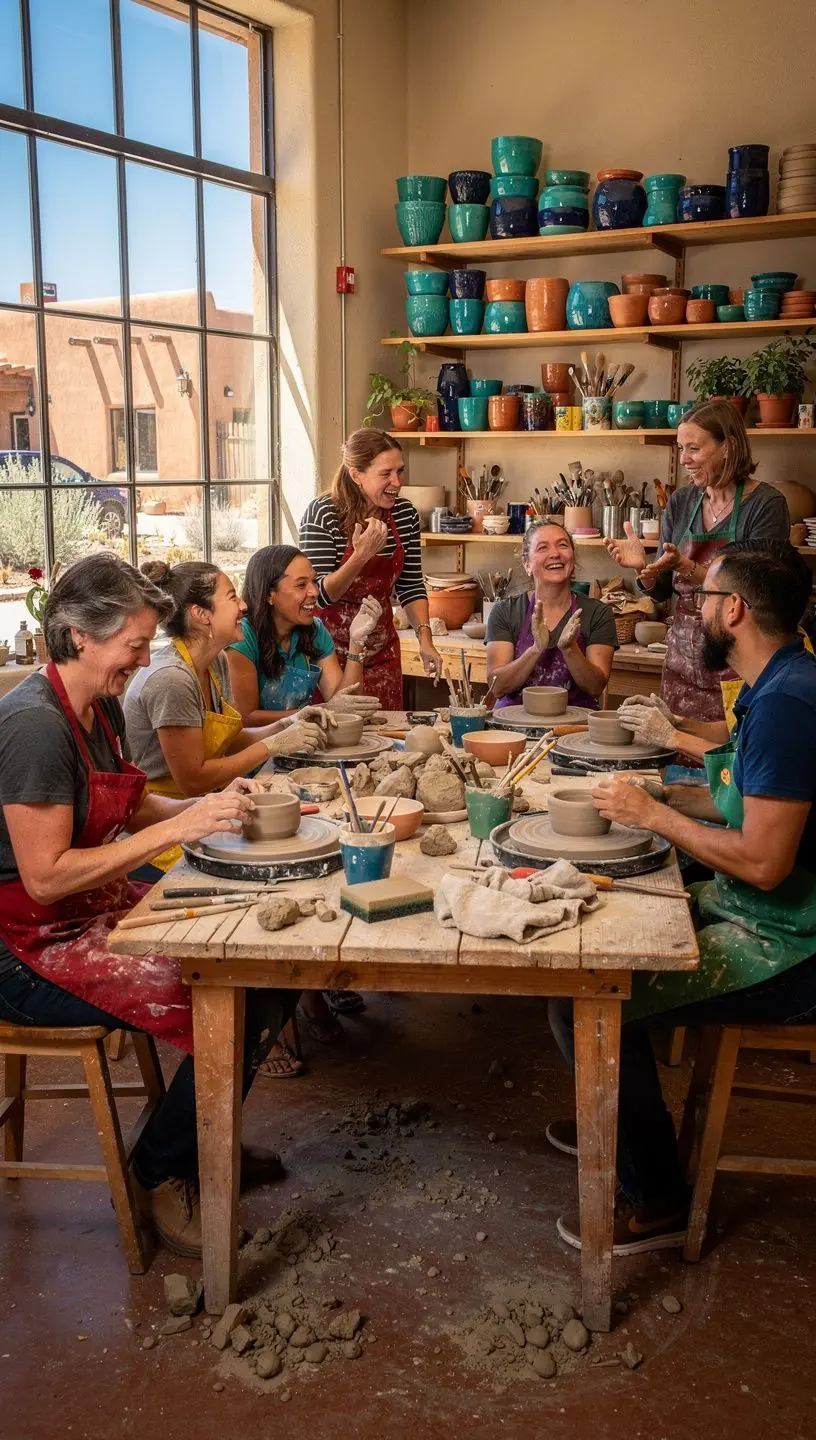
"Many cultural institutions are leveraging technology to reach wider audiences and create immersive experiences," says Dr. Alex Rivera, a cultural studies expert.
How Technology Enhances Cultural Engagement
Here are some ways technology enhances cultural experiences:
- Virtual Reality (VR) and Augmented Reality (AR): These technologies allow users to immerse themselves in artistic environments or historical settings. For instance, museums can create virtual tours that can attract audiences unable to visit in person.
- Social Media Platforms: Many cultural organizations utilize platforms like Instagram and Facebook to promote events and engage with their audiences. Studies show that organizations that actively engage on social media experience a up to 30% increase in attendance at events.
- Mobile Applications: Applications related to local culture and events can provide users with real-time updates, ticketing options, and interactive features, making cultural participation easier and more enjoyable.
Challenges and Considerations
While technology offers numerous benefits, it also comes with challenges. For example, not everyone has equal access to the internet or digital devices, which may hinder participation from certain demographics. Additionally, organizations must be mindful of the learning curve associated with new technology. Implementing these tools may require training and time, which should not be overlooked.
Practical Application for Cultural Organizations
For cultural organizations looking to integrate technology, consider the following steps:
- Assess the Audience: Understand the demographics of your audience to determine which technologies will be most effective and accessible.
- Invest in Training: Ensure staff are trained in the technology being implemented to maximize its effectiveness and enhance user experiences.
- Gather Feedback: After implementing new technology, collect feedback to gauge its impact and make necessary adjustments for future events.
Conclusion
In summary, technology plays a significant role in enhancing cultural experiences, making them more accessible and engaging for diverse audiences. While it presents certain challenges, the potential benefits are notable, and organizations can take practical steps to successfully integrate these tools. By prioritizing education and accessibility, cultural institutions in the US can continue to thrive in an increasingly digital landscape.
Learn More